Women Burning in Salt and Heat
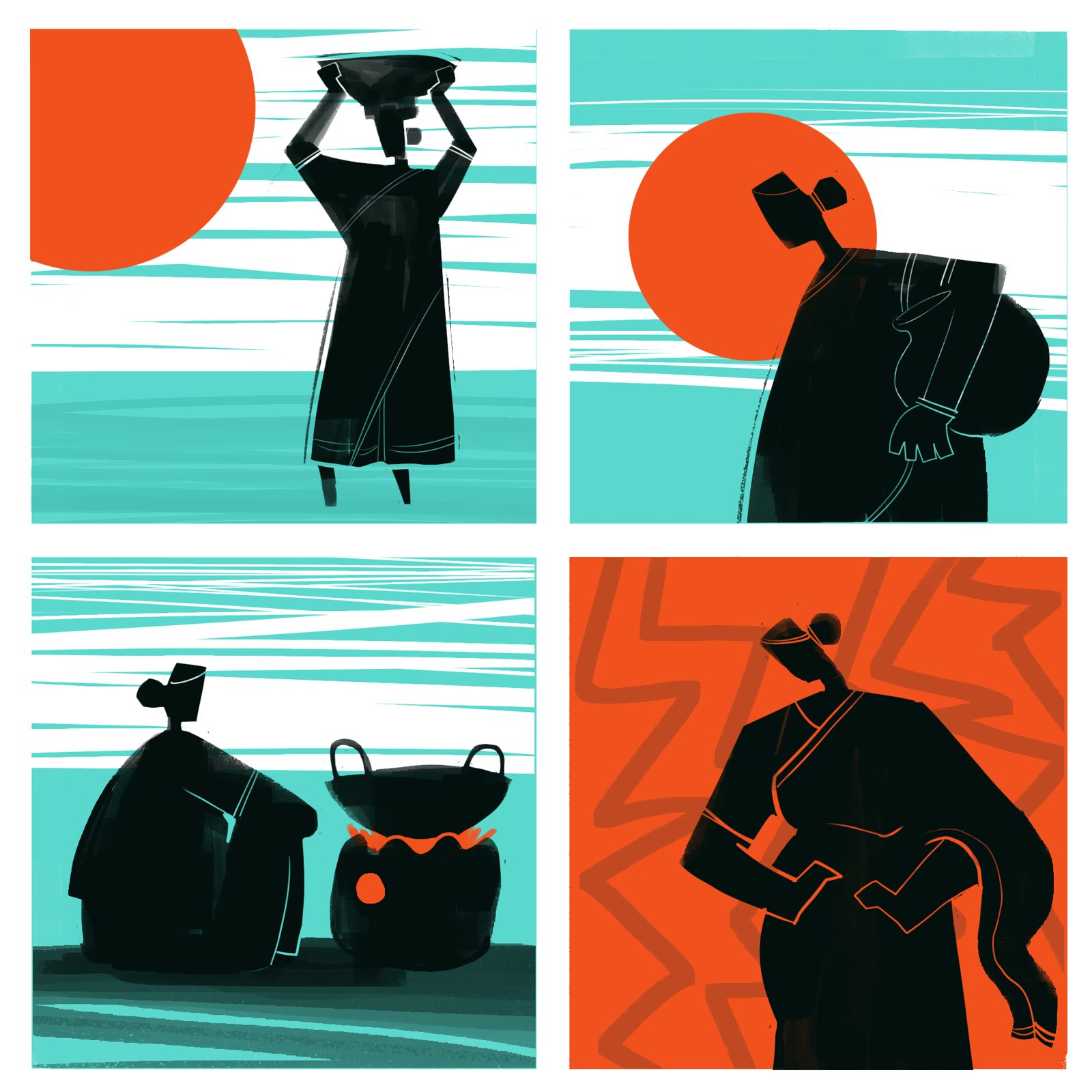
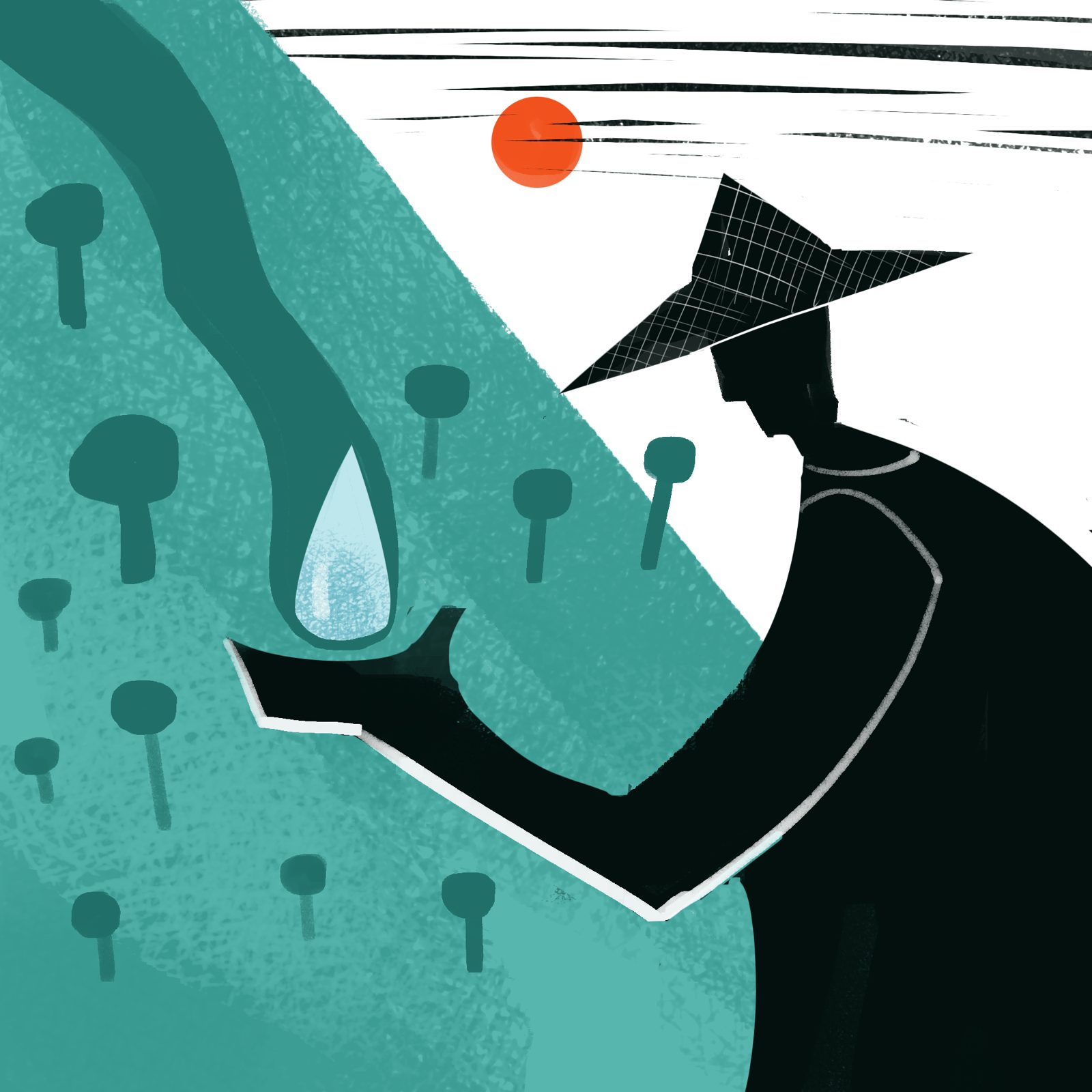
Jasmin Akter (32) lives in Shailkhali village, Koikhali Union, Shyamnagar Upazila, Satkhira. Every morning she sets off with a pitcher. She walks two to three kilometers to fetch drinking water, which she uses for cooking and drinking.
After cooking she feeds her son and her elderly mother. Her son goes to school. Leaving her mother at home, Jasmin heads out to look for work. She has no fixed job. Depending on the season, she takes whatever work she can find.
Sometimes it is road repair, sometimes day labor. She also harvests rice, digs earth, and catches fish in the river to sell. She does all of it.
In summer Jasmin cooks on an open stove outside the house. Then at work she has to endure intense heat again.
Jasmin says: "Everything here is salt water. There is no drinking water. We have to bring it from far away. It has become routine. We have to go for water every day."
Because of climate change, salinity is rising along the country's coast, including in Shyamnagar Upazila of Satkhira. Women mainly have to arrange food and water for the household, and doing so is a daily struggle.
Recently, rising temperatures have been added to this. Women now face more hardship at home and outside, especially while cooking and at work.
In the summer heat Jasmin cooks on an open stove outside the house. In the early morning the sun is already overhead. She finishes cooking while enduring both the fire of the stove and the heat of the sun above.
That is not all. Then she heads out to look for work, where she also endures intense heat.

When Jasmin's son was two, her husband married elsewhere. Jasmin had to return to her father's house. Her father had died before that. So she began her struggle with her mother and son.
Jasmin says: "You can't just sit. I have to find the money for my son's schooling and my mother's medicine."
Though each personal story is different, the lives of most women on the coast are a struggle like Jasmin's. They constantly fight climate-related problems such as salinity and heatwaves.
Jasmin says that in winter the intense cold makes fishing in the river hard. Summer is the hardest. River water and tube well water are saline, so drinking water runs short. In the monsoon she can collect and store rainwater to drink, but in summer, when the rain fails, there is a severe shortage. She is forced to walk two to three kilometers to fetch drinking water, carrying a pitcher.
Locals say most villagers in Shyamnagar bathe in ponds. When the ponds dry up in summer, they have to bathe in the river's saline water. This causes waterborne diseases and skin diseases.
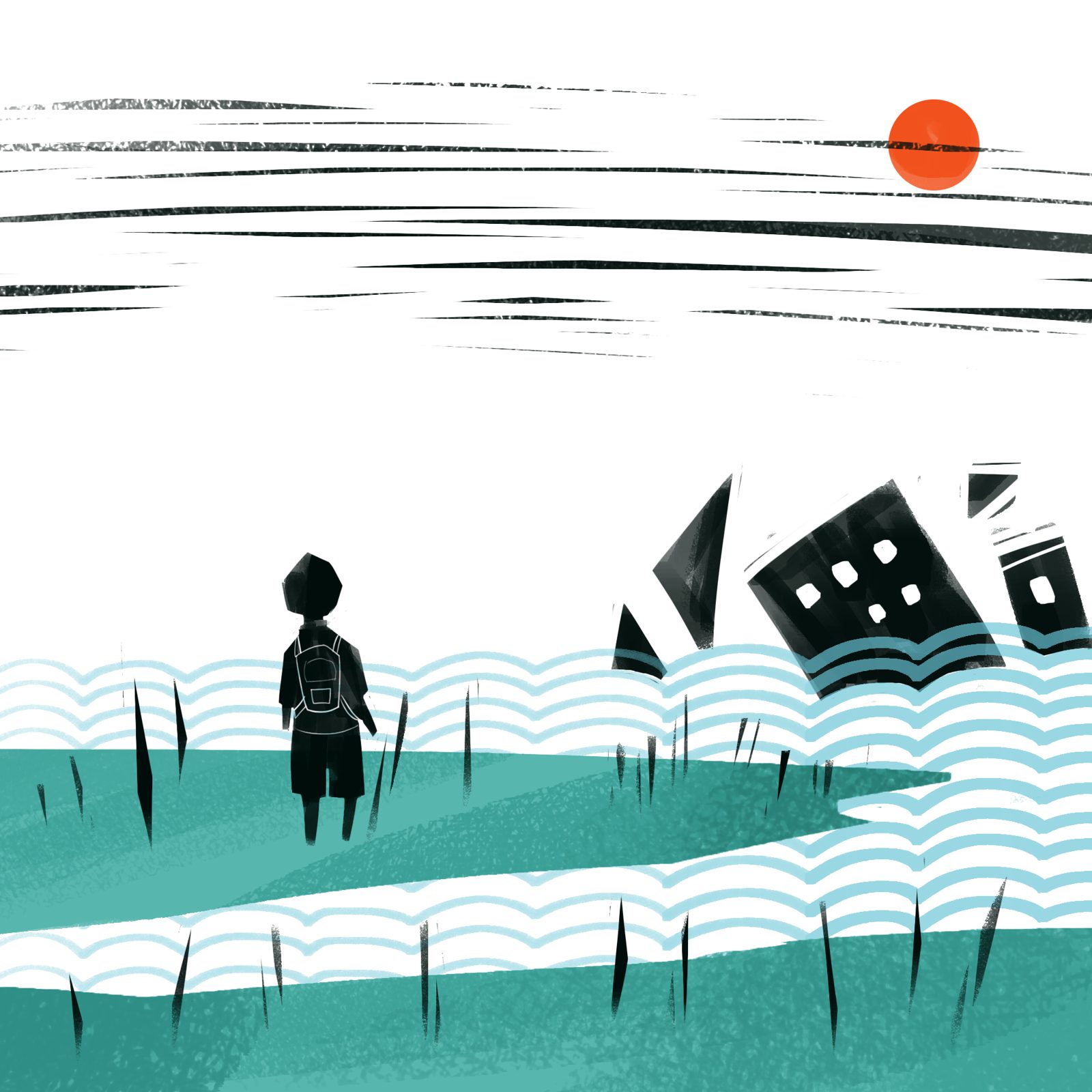
When river embankments break, saline water floods the freshwater ponds and fish enclosures in settlements. Rice, watermelon and other field crops suffer extensive damage. Women suffer most from these climate-related problems.
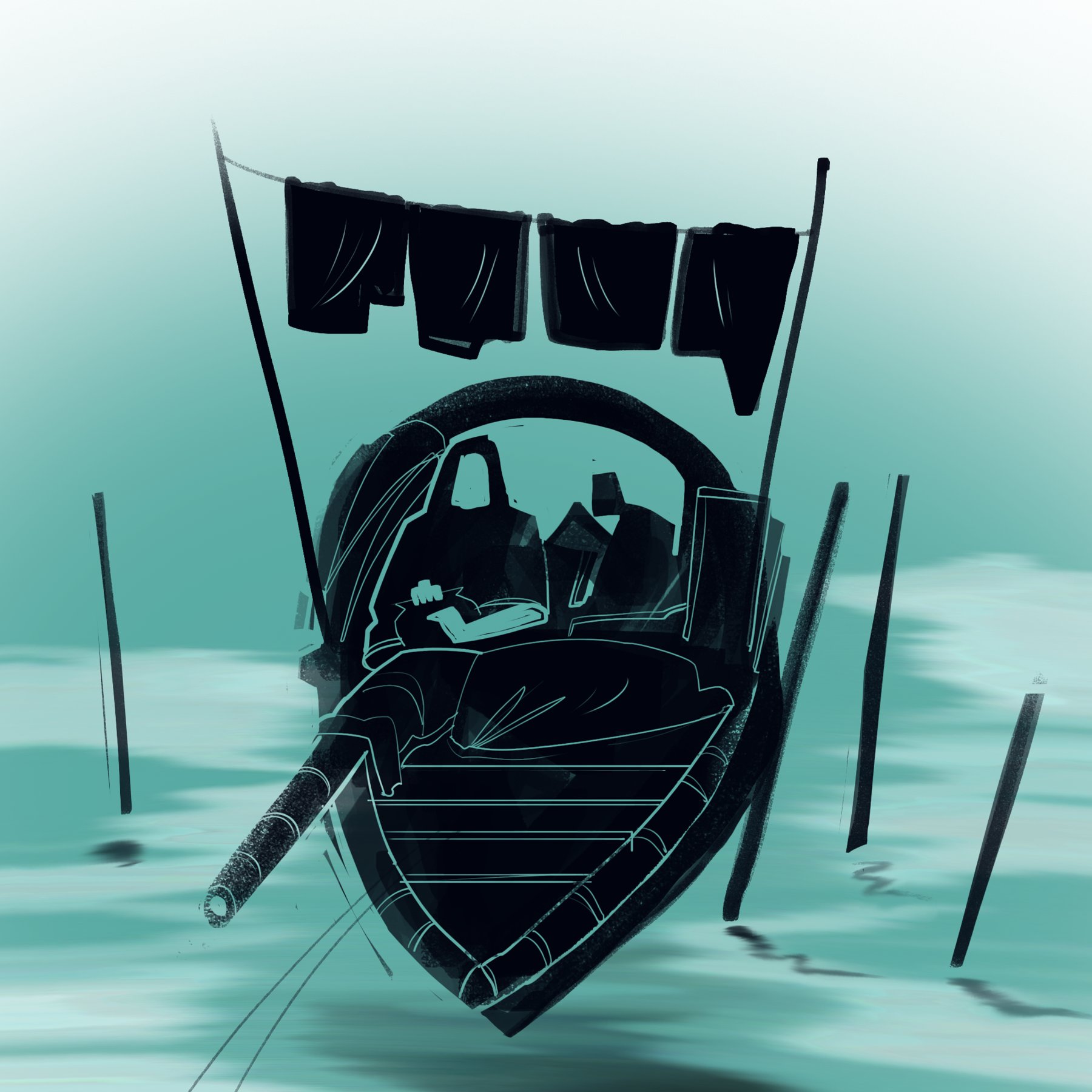
Jobeda Khatun lives in Sahebkhali village, Koikhali Union. Her husband died seven years ago. She has no son. Her three daughters are married, so she lives alone in a small mud house with a thatched roof.
To cover household and medical costs, Jobeda catches fish in the river and sells it at the local market. Sometimes she hawks fish door to door in the village. She also does housework in other people's homes, and day labor such as weeding rice fields in the wetland and threshing rice.
In summer, when intense heat dries up ponds and wetlands, she faces shortages of drinking and bathing water. She walks about three kilometers to a tube well in Shailkhali village. In the monsoon the thatch leaks and water enters her house.
With heavy rain, water collects in her yard and in the canals and seeps into her toilet, a makeshift enclosure of sacks. Cyclones sometimes damage the toilet's screen and roof, and blow off the roof of her house. In bitter cold, going into the river to fish is hard. Without warm clothes, even day labor is hard.
Jobeda says: "To survive we have to do these things. No one is going to feed us. So we have to do everything ourselves."
She says their hardship grows by the day. In her view, it was not this hot before. Now storms come regularly. The water problem is growing too.

Data from the Bangladesh Meteorological Department also show rising temperatures. According to the agency, temperatures in Khulna and the neighboring coastal areas have risen by about 5 degrees Celsius in the past 14 years.
In 2011 the region's average annual temperature was 31.1 degrees Celsius. In 2024 it reached a record 41.2 degrees Celsius.
Experts say this is an effect of climate change, which brings rising temperatures and other natural impacts.
Sarup Youth Team is a volunteer organization in Shyamnagar Upazila that works on climate. Its founder, Jannatul Naim, says heatwaves are rising because of climate change, and women suffer most. In intense heat all the water bodies in the area dry up, and tube well water is also salty.
He says women must wear heavy clothes even in extreme heat. They spend time in the kitchen every day during heatwaves. Because of poverty they have no improved cooking system and cook in heat and smoke on old-style stoves. Risks arise in their work too. Salinity also creates health risks, and women develop various illnesses.
Dr. Mahbuba Nasreen, a professor at the Institute of Disaster Management and Vulnerability Studies at the University of Dhaka, has researched climate change for several years. She says the problem is even more acute for women in remote areas. Gender inequality in Bangladeshi society makes women suffer more from climate change.
She says: "Women have to work in saline water. Their menstrual cycles are disrupted and their reproductive health suffers. They travel long distances for safe drinking water. In our country, tasks like cooking and fetching water are assumed to be women's work. So this gender dimension has a negative effect in those areas."
The professor says women in remote areas and poor women cannot easily get health services and essential supplies. Because of salinity they cannot grow vegetables either. Women already face certain constraints, and they are also the ones who bring water from far away. So they bear the burden of coping with climate impacts. They also suffer more from waterborne disease. Social stratification makes it hard for many of them to get safe drinking water.